
The Magic That Is 360 Content
How One Great Idea Can Fuel Your Entire Marketing Universe
Over the years, I've helped more than 30 brands across hospitality, technology, nonprofits, e-commerce, and service-based businesses build their presence from the ground up. That means crafting authentic voices, launching products to market, and growing engaged communities that drive real results through content, social media, paid efforts, and community building.
One pattern stands out from all that work: constantly creating brand-new content for every platform is exhausting and often inefficient. If you have ever worked on content for a brand or business, you know how demanding it can be. You spend hours developing a solid idea, researching it, writing it, designing assets, and finally publishing it. Then almost immediately, the cycle starts again. New platform. New format. New deadline.
Over time, this approach burns teams out and stretches budgets thin. That's why I've become such a strong advocate for what I call 360 content: taking one solid, valuable idea and thoughtfully adapting it across multiple channels. It's not lazy recycling; it's strategic amplification that lets the same core message reach people in the formats they prefer, while saving significant time and resources.
This approach has delivered consistent wins for the brands I've worked with: stronger visibility, higher engagement, better consistency, and measurable growth without constant burnout. Here's what I've learned from putting it into practice.
What Is 360 Content?
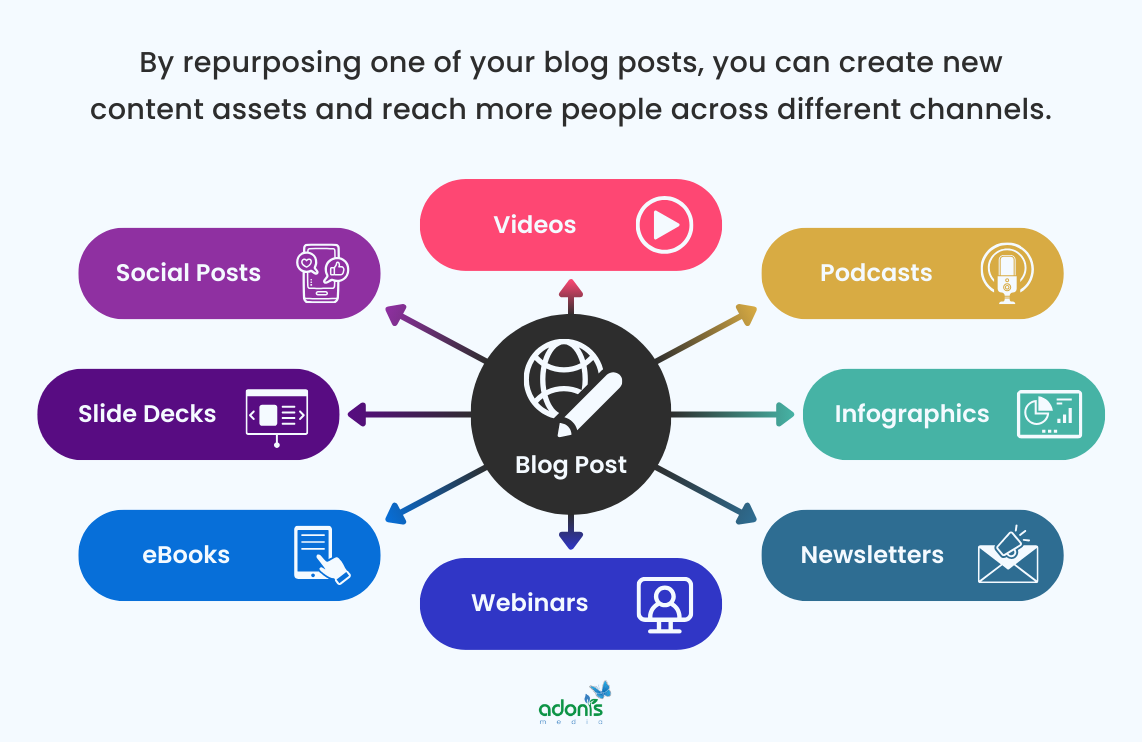
360 content is a strategic approach to content creation where one strong core idea is intentionally developed and adapted for multiple platforms, rather than created in isolation for just one channel.
One topic can become:
- A Twitter (X) thread breaking down key ideas
- A YouTube video exploring the topic in depth
- A TikTok or Instagram Reel highlighting one sharp insight
- An Instagram carousel designed for saves and shares
- A long-form blog post that ranks in search
- A LinkedIn article positioned for a professional audience
- A Reddit discussion that sparks conversation
- A Pinterest pin or board that drives long-term discovery
The core message stays the same, but the format and delivery change based on the platform.
Why 360 Content Works
Your Audience Is Not on One Platform
People consume content differently depending on context. Someone might scroll Instagram in the morning, read LinkedIn during work hours, watch YouTube in the evening, and Google a solution before making a decision.
360 content allows brands to meet the same audience at multiple touch points, using formats that feel natural on each platform.
It Maximizes Effort, Not Just Output
Quality content takes time. Research, ideation, writing, design, editing, and distribution all require effort. When that effort is used once and abandoned, a lot of potential value is lost.
With 360 content, the same investment continues to pay off across channels.
Consistency Becomes Easier
One of the most common challenges brands face is figuring out what to post next. A 360 approach shifts the focus from random posts to themes and content pillars.
Instead of chasing new ideas daily, teams build around a strong central idea and adapt it thoughtfully across platforms.
Repetition Builds Trust
Seeing the same idea presented in different ways helps audiences understand it better and remember it longer. Most people will not see every piece of content you publish, so repetition, when done intentionally, reinforces your message rather than diluting it.
How to Create 360 Content
There is no single perfect process, but this framework has worked consistently for me across different industries and team sizes.
1. Start With a Strong Core Idea
360 content starts with ideas, not formats.
Ask yourself:
- What problem does my audience care about?
- What question keeps coming up in conversations, sales calls, or comments?
- What insight can I share from real experience?
If an idea cannot sustain a meaningful conversation, it will not survive repurposing.
2. Create the Pillar or Anchor Content First
Pillar content is the most complete version of your idea. This is usually:
- A long-form blog post
- A YouTube video
- A webinar or podcast episode
This becomes the source material everything else is built from. Doing the deep work once makes every adaptation easier and more coherent.
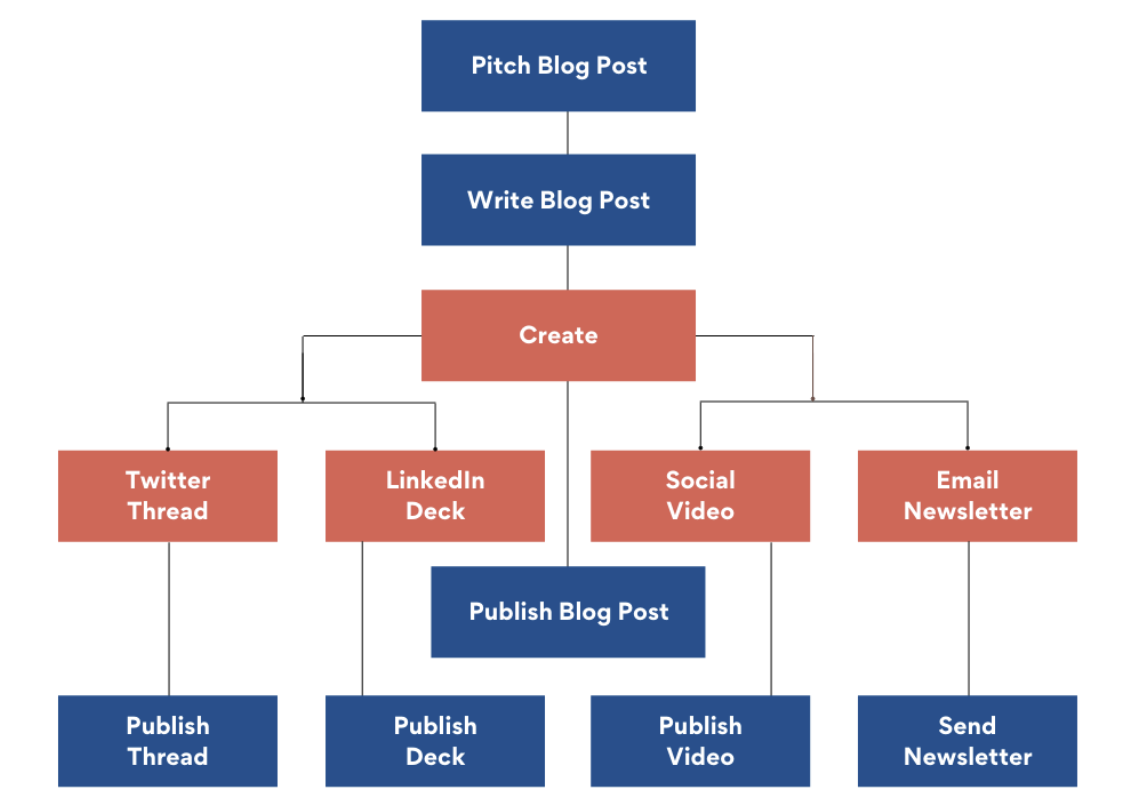
3. Break It Into Platform-Native Pieces
Each platform has its own behavior, tone, and expectations. Repurposing does not mean copying and pasting.
For example:
- Extract key insights or statistics for a Twitter (X) thread
- Turn main points into carousels for Instagram and LinkedIn
- Pull short, punchy moments for TikTok and Reels
- Reframe the idea with a professional or case-study angle for LinkedIn
- Adapt it into a genuine discussion prompt for Reddit
The idea stays the same, but the execution changes.
4. Respect Context, Not Just Content
Effective 360 content feels native everywhere it appears.
A TikTok should feel like TikTok.
A LinkedIn article should feel like LinkedIn.
A blog post should feel intentional, not recycled.
This attention to context is what separates strong repurposing from lazy reposting.
5. Track Performance and Refine
Not every format will perform equally, and that is normal. Pay attention to what resonates.
Track:
- Engagement and saves
- Traffic and time spent
- Leads, sign-ups, or conversions
Use those insights to improve future content. The more you apply a 360 approach, the more effective it becomes.
Tips I've Picked Up Along the Way
- Start small: Nail 3-4 platforms before adding more.
- Use helpful tools: Canva for visuals, CapCut/Descript for video, or AI assistants to speed adaptation (while keeping human oversight for authenticity).
- Prioritize value: Repurposed pieces should still deliver fresh help, not feel forced.
- Drive to your hub: Make your website the central home so traffic funnels there for SEO and conversions.
- Collaborate early: Loop in designers or team members for richer assets from the start.
It's rarely flawless the first time, but it gets smoother with practice.
Ready to Give Your Ideas More Life?
360 content is not about doing more work. It is about doing smarter work with intention.
For brands and businesses with limited time, budget, or team size, this approach can dramatically improve consistency, reach, and return on effort. It encourages message-first thinking rather than channel-first thinking.
I do not believe there is only one right way to do content marketing. But from years of hands-on experience, this is one approach that has delivered results across platforms, industries, and stages of growth.
If there is one takeaway, let it be this: your best ideas deserve more than one life.
That is the magic of 360 content.
Contact Me
okikiolababs@gmail.com
@kikie_ola
© 2026 by Okikiola Babalola.